
UFC 263 saw new champions crowned, old champions defend, and Leon Edwards somehow lose stock with a win.
Nate Diaz is a tough fighter to knock out, because generally speaking it is hard to knock out a fighter who spends 60% of a round twelve feet away from you doing the Genesis dance:
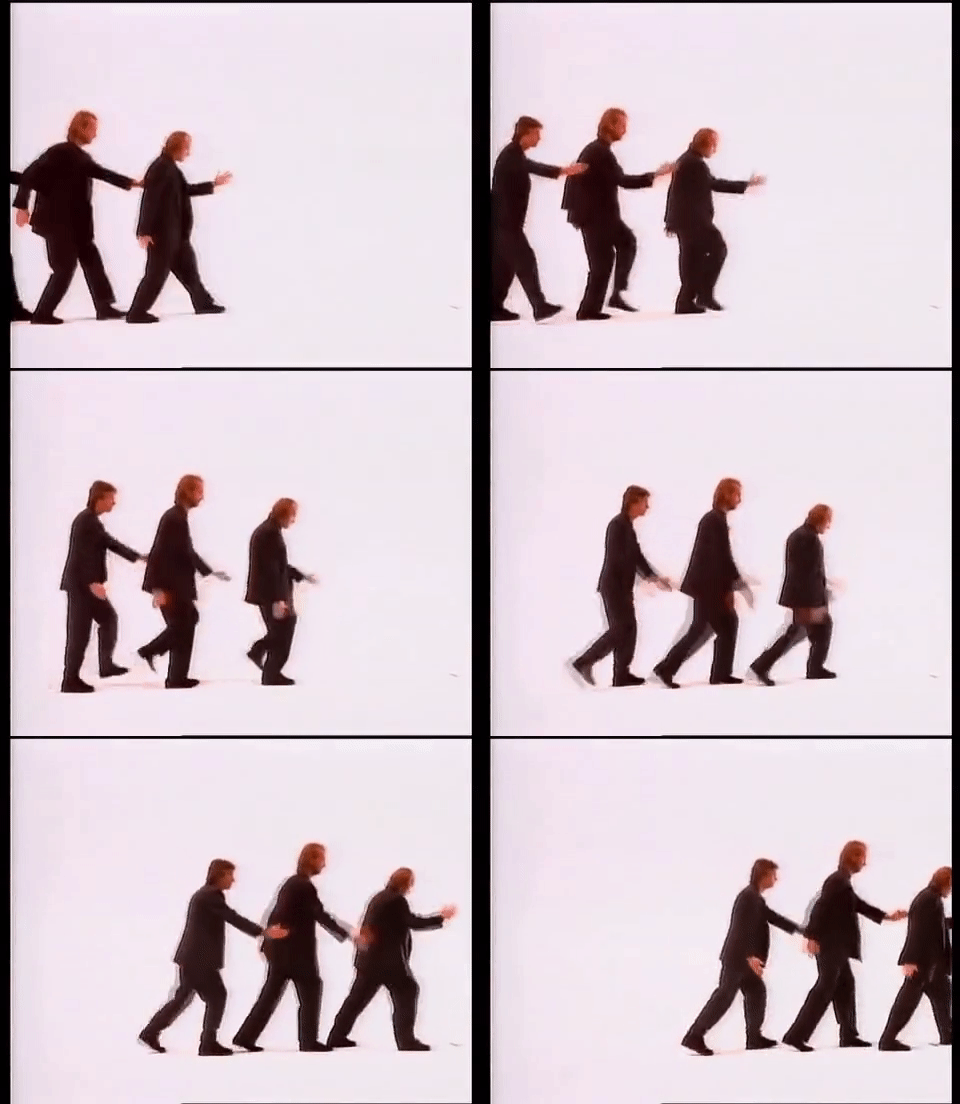
Nate Diaz has fallen into the age-old trap of being an ‘unpredictable’ fighter. We hear the commentary team talk of this unpredictability, and the mind games that make Diaz so effective, as he drops every single round to Edwards. What is it that actually makes a fighter unpredictable though? When is unusual behaviour effective, and when is it just time wasting? We’re going to take a look at that complicated topic today.
Generally speaking, unpredictable, unusual behaviour is helpful to throw off an opponent, however it’s helpful when you actually have something to threaten your opponent with. Having spent time sparring with Diesel’s very own owner Cliff, I can attest that having an opponent who had solid skills while also pulling unusual moves like clapping and musically clicking his fingers to put you off, can put you in trouble during a sparring session or a fight.
When watching Nate Diaz do what I can only describe as a reverse moonwalk (figure that out) across the cage, it felt as though he was trying to channel the always unusual Emanuel Augustus, but also failing to understand why Augustus was effective.
For those who’ve not yet seen an Augustus fight, you will laugh, you will cry, you’ll be frustrated and you might come away with the hot take that Augustus is the best, worst fighter you’ve ever seen. Sporting a 38W-34L-6D record, Augustus was the definition of a hit and miss fighter. He was certainly no world beater, but on any given night could give all time greats fits.
For Augustus, you see, was no ordinary boxer. He was the drunken master.
While Diaz takes breaks mid-round to dance, Augustus continually danced through his fights, using his erratic movements to not only disguise punches, but keep his head moving and allow him to defend punches more easily.
This made him extremely hard to read. Fellow UFC 263 competitor, Israel Adesanya is a master of feinting and unpredictability, albeit through more simple ways, he shoulder feints, hip bumps and Brazilian kicks his way to victory all the while ducking and diving out of the way of his opponents’ shots.
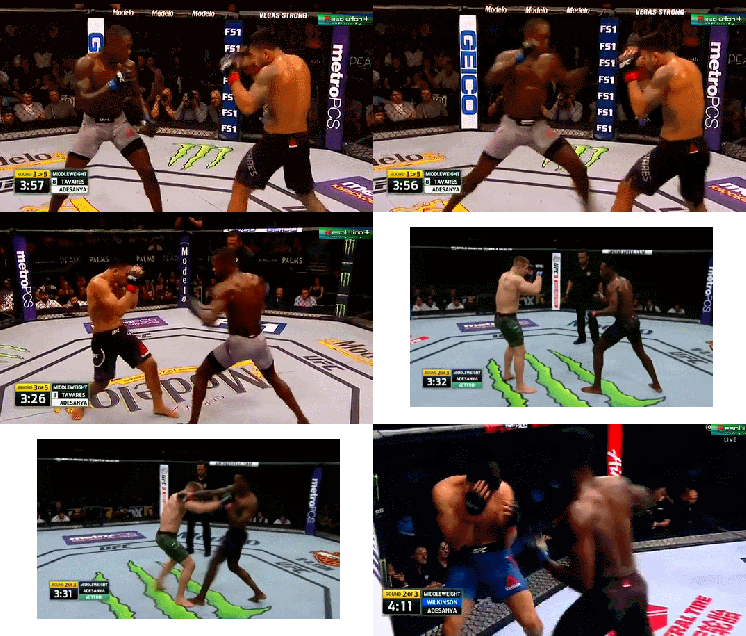
While a sequence like this shows his exceptional ability to feint out his opponent, Augustus’ style was one giant feint. His dancing wasn’t showboating during a fight, his dancing was HOW he fought. It set his pace, his rhythm, and most importantly allowed him to easily break rhythm and hit his opponents at times they simply weren’t expecting to. No doubt his good reflexes played a part in this.
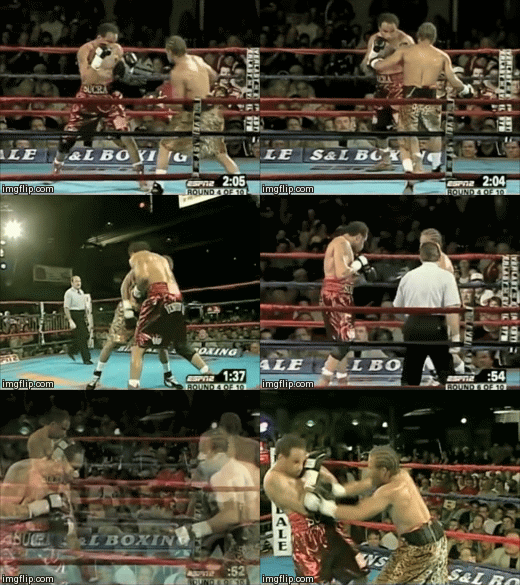
While his record isn’t the most impressive a boxer can have, prime Augustus was incredibly hard to KO, usually losing via decision. If his style is to be criticised for anything, it’s simply that while his style was always weird, he simply didn’t do enough to win. Though he had perfected the ancient mystic art of winding the opponent up.
Of course, his nickname comes from the old Jackie Chan Avant Garde masterpiece, Drunken Master. In which Jackie Chan plays a disciple of drunken boxing, a style of kung fu based around mimicking the movements of a drunk man in order to hide his true intentions.
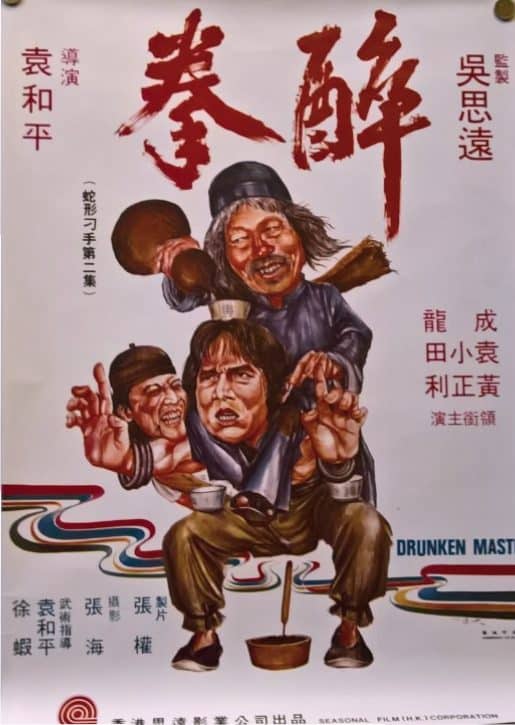
Like with most Kung Fu, the forms are not meant to teach you how to fight, they are supposed to teach you movements, and those movements can be applied to combat. Admittedly these aren’t normally that efficient for actual fighting, although nobody told this guy that:
This is, of course, ridiculous. Why on Earth does it work?
It works for two reasons:
- He makes his opponent reluctant to step in on him to attack
- He has solid skills to back up the stumbling.
While this fighter appears to be staggering about like a lunatic, he has a few carefully picked techniques. He is clearly an adept kicker and makes use of a side kick. This does two things, it hurts, but it will also keep his opponent away from him. This means that his opponent is always in a range that’s highly visible to the drunken boxer.
As the fight continues, it starts go poorly for the drunken boxer, as fights tend to do when the referee decides not to perform a ten count on the fighter you just TKO’d. Though this is obviously a low-level fight between two fighters still in shinpads, there’s at least something to learn from the bout.
Dance fighters don’t just exist in striking sports though, somehow the mad lads found their way into MMA. Genki Sudo, a man who has a different profession every time I check his Wikipedia entry, is probably the best fighter to use these tactics. The MMA fighter, turned popstar, turned politician, was known for his extravagant entrances, and just flat out doing the robot in the middle of fights.

I have expressed annoyance for fighters who stop to dance mid fight, but maybe it depends on the quality of the dance.
Sudo’s fancy footwork wasn’t all for show either, the man could genuinely fight and throw a wide array of unusual moves that led him to victory against more technically sound strikers. Genki Sudo absolutely baffled Duane Ludwig, before being victim to one a robbery so bad the UFC changed its rules after the fight. People complain about close decisions being robberies, but it’s exceedingly rare to see a fighter so clearly win a fight, only to be awarded a loss, as was the case here.
The art of dance and fight have always been linked, after all one of the most frequent things fighters are recommended to (but rarely do) take up is dancing to improve their footwork. A great dancer should be able to make for a great fighter, but all the dancing in the world, no matter how unpredictable cannot make up for a lack of fighting skill.
Happy training.